

Description
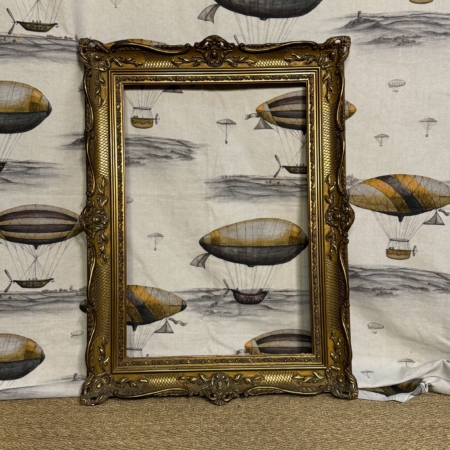
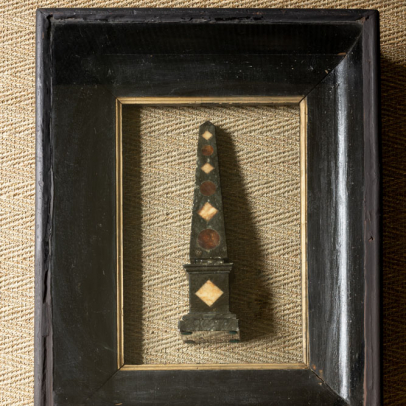
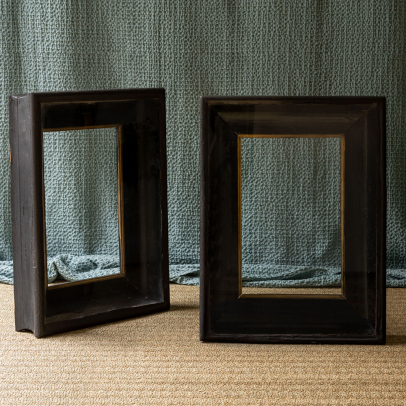
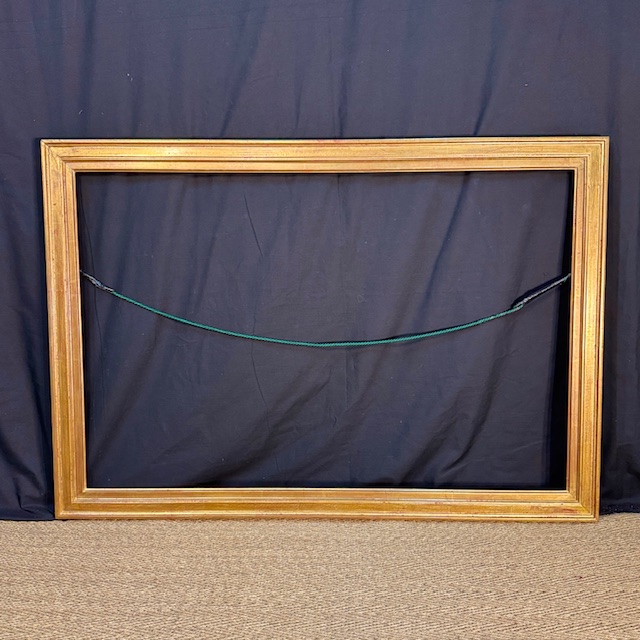
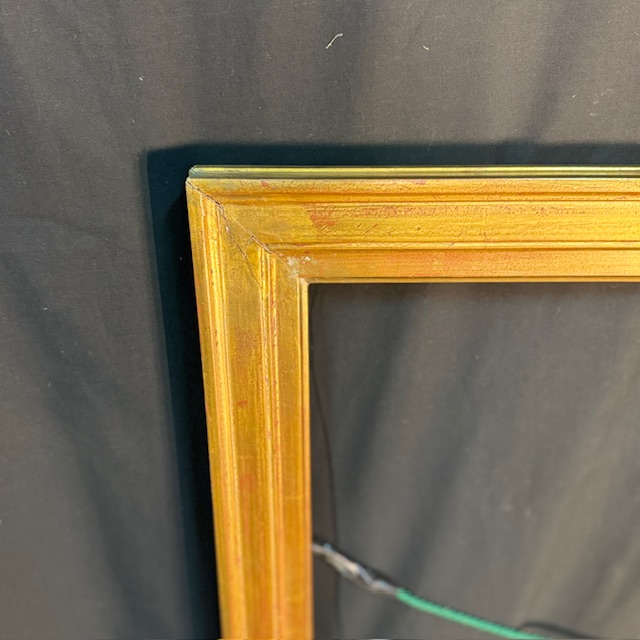
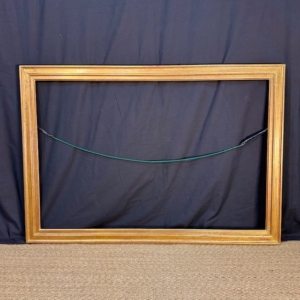
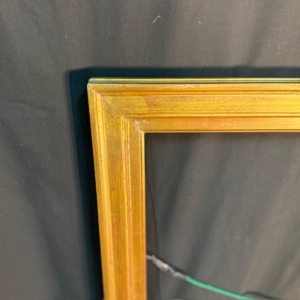
n a time when gilding still spoke of tradition rather than excess, this frame embraces a restrained, architectural elegance. Its stepped profile and softly burnished gold finish create a luminous boundary—one that supports the artwork with quiet confidence.
The surface reveals subtle tonal shifts: warmer golden notes along the edges, deeper hues settling into the inner mouldings. Up close, faint marks and gentle irregularities hint at a life lived in interiors where light changed throughout the day—morning clarity, late-afternoon warmth, lamplight after dusk.
There is no superfluous ornament here. The design relies instead on proportion and depth: a succession of moulded bands that draw the eye inward, guiding attention toward whatever it holds. This balance between presence and restraint makes it particularly suited to oil paintings, works on paper, or contemporary pieces seeking a measured contrast.
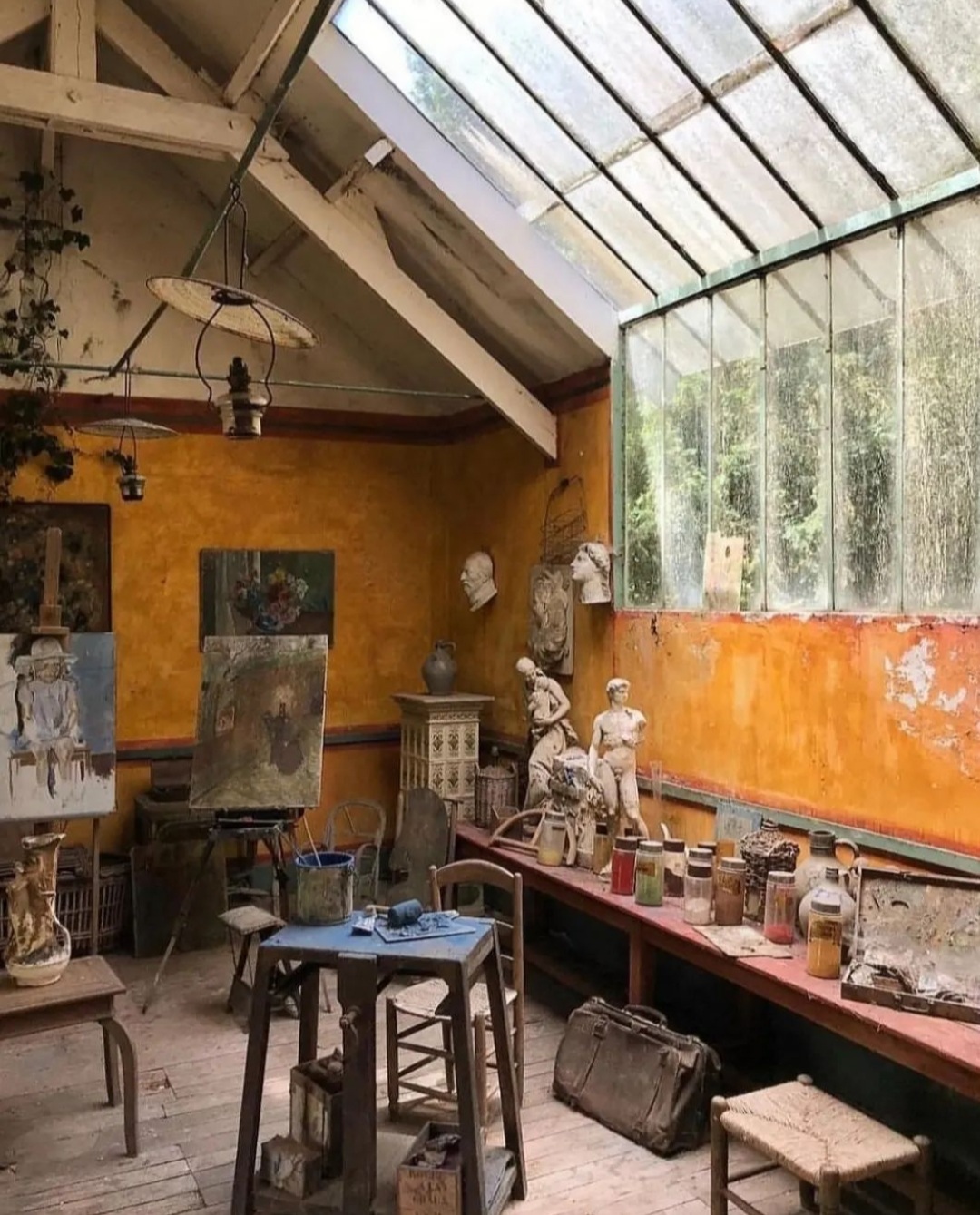
Frames such as this became staples of twentieth-century interiors, where versatility mattered as much as refinement. They were designed not to dominate a room, but to anchor it—to provide structure against patterned wallpaper, textured plaster, or simple white walls.
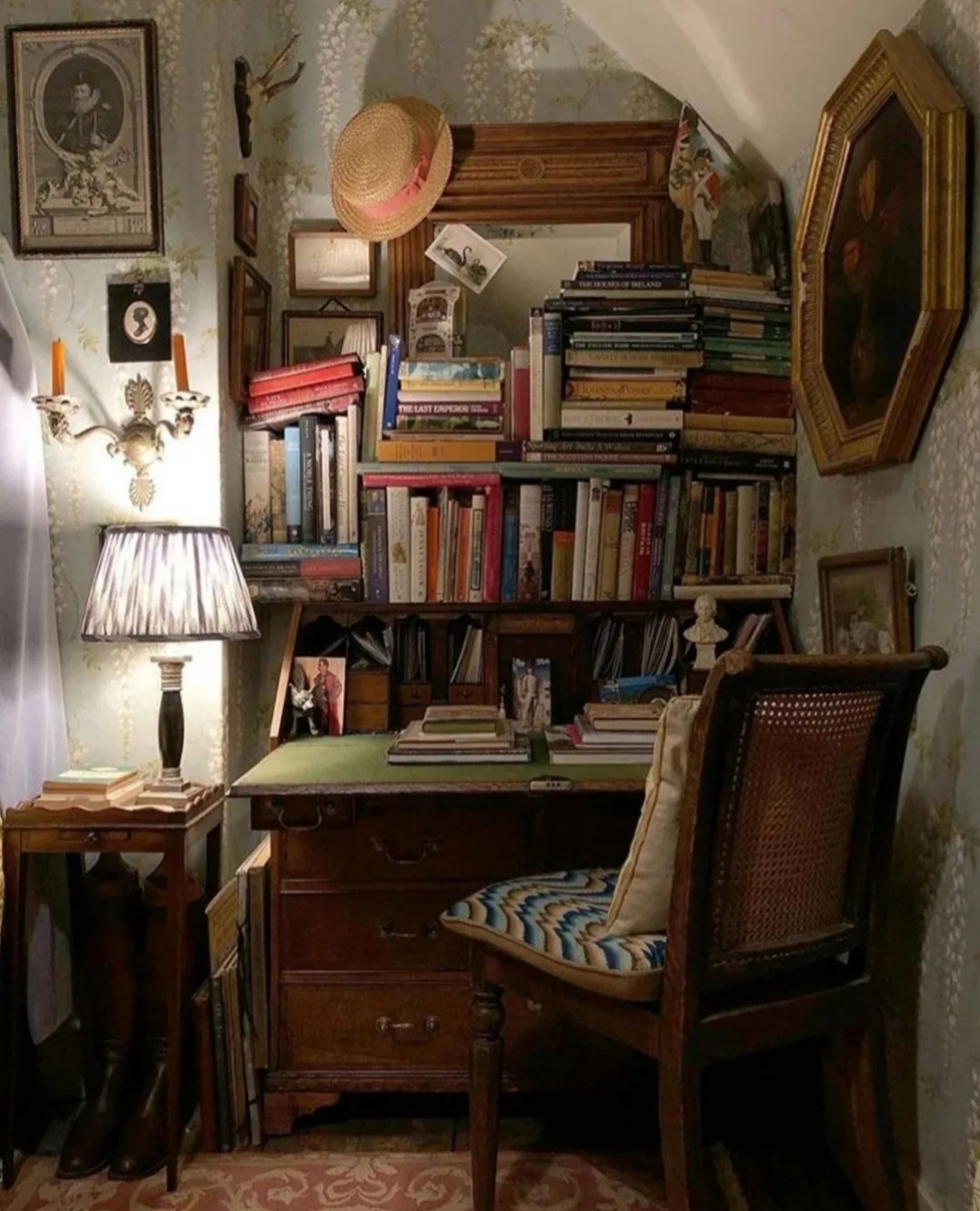
Placed vertically or horizontally, it brings clarity and order without theatricality. One imagines it above a mantel, in a study lined with books, or leaning casually against a wall, waiting for its next canvas.
This post is also available in: Spanish