

Description
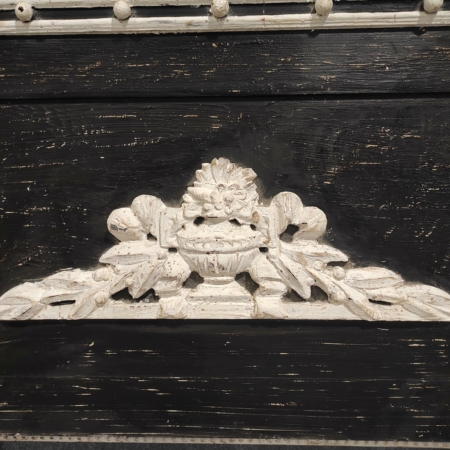
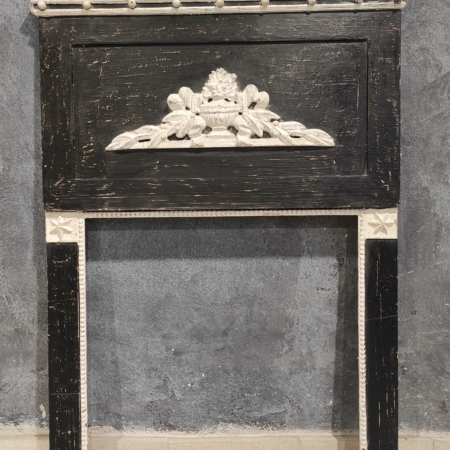
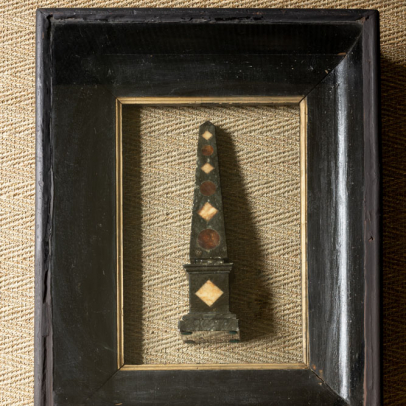
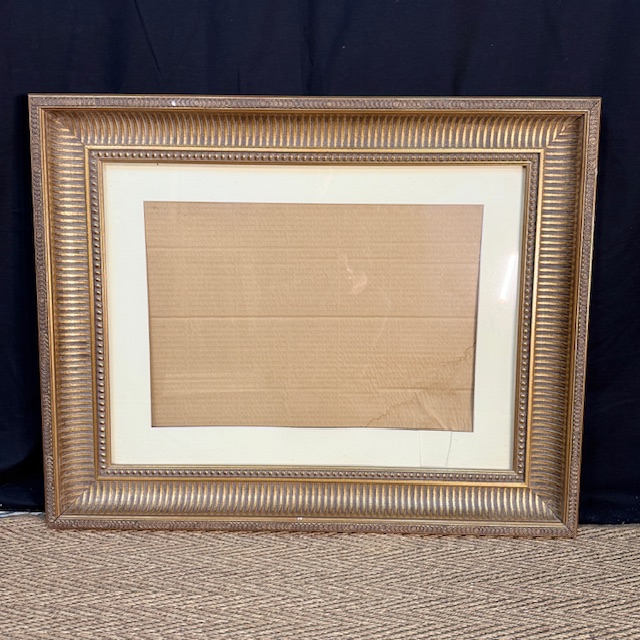
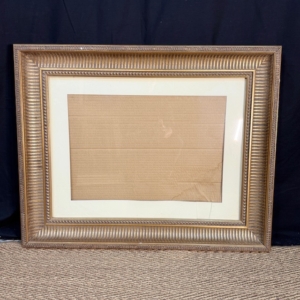
Frames are often treated as afterthoughts—secondary to the painting they contain. Yet historically they have acted as quiet interpreters of taste, context, and ambition. This example makes that clear at a glance.
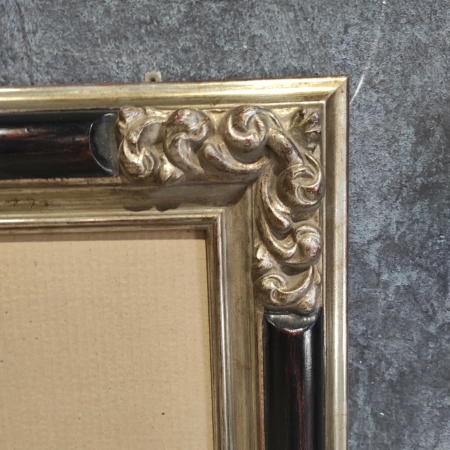
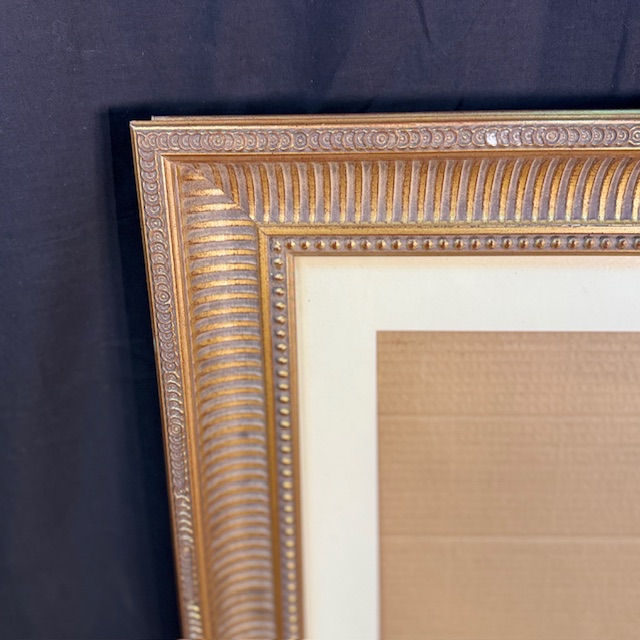
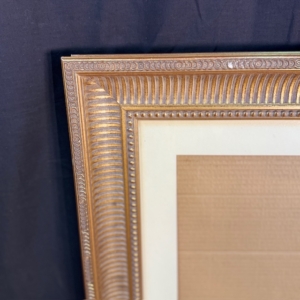
The principal moulding, rhythmically fluted, draws from the language of classical architecture: columns, entablatures, measured repetition. Its ornament is disciplined rather than exuberant. Along the inner edge, a delicate row of carved beads forms a transitional threshold between image and wall—a carefully considered boundary.
In the eighteenth and early nineteenth centuries, frames of this character accompanied history paintings, cabinet portraits, and landscapes shaped by academic sensibilities. They did not compete with the image; they conferred structure. The gilded surface—now softened by time—retains a muted patina achieved only through years of shifting daylight, domestic dust, and quiet relocation.
Placed against a neutral wall, the relief catches the light differently throughout the day. In the late afternoon, the fluting casts slender shadows that emphasize its architectural rhythm. It lends authority without spectacle.
This is not merely a support. It is a framing device in the truest sense—an object that organizes the gaze.
This post is also available in: Spanish